
Are Heart Palpitations Dangerous? When to See a Doctor
That fluttering or racing feeling in your chest can be terrifying. Most palpitations are harmless, but knowing the warning signs that need investigation could be critical.
Expert information from a specialist cardiologist to help you understand your heart, recognise warning signs, and make informed decisions about your cardiac care.

Chest pain during physical activity can range from harmless muscle strain to a warning sign of coronary artery disease. Understanding the difference could save your life.

That fluttering or racing feeling in your chest can be terrifying. Most palpitations are harmless, but knowing the warning signs that need investigation could be critical.

An echocardiogram is one of the most important tests in cardiology. Here is everything you need to know about what it does, how it works, and why your doctor may have ordered one.

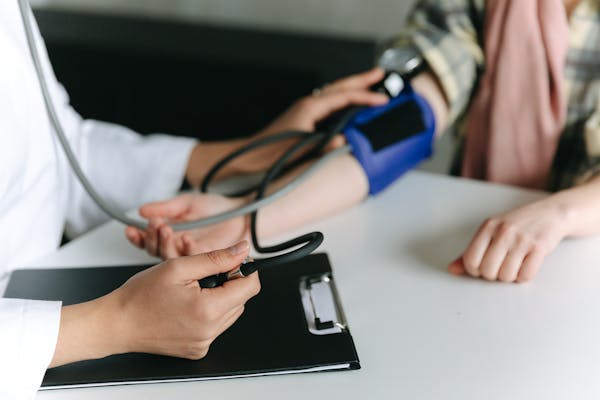
High blood pressure affects one in three Australian adults, many without knowing it. Left unmanaged, it silently damages the heart over years. Early detection is key.

A Holter monitor records every heartbeat over a full day, catching rhythm problems that a short clinic ECG might miss. Learn when you might need one.

A coronary artery calcium score is one of the most powerful predictors of future heart events. Understanding your score can help you and your cardiologist make informed decisions about your heart health.

The Heart Foundation recommends a heart health check for all Australians over 45. Yet millions skip this simple assessment that could identify serious risk before a heart event occurs.

Heart attack symptoms are not always what you see in movies. They can be subtle, especially in women. Knowing the real warning signs and acting fast could save your life.

Atrial fibrillation affects over 450,000 Australians and is a leading cause of stroke. Many people have it without knowing. Early diagnosis and treatment are essential.

A heart failure diagnosis can be frightening, but it does not mean the heart has stopped working. With proper management, many people with heart failure live full, active lives.

People with diabetes are twice as likely to develop heart disease and at a younger age. Understanding the connection and getting regular cardiac screening can prevent serious complications.

If a close relative had a heart attack or was diagnosed with heart disease at a young age, your own risk may be elevated. Knowing your family history is one of the most important steps you can take.

Heart disease is largely preventable. Small, consistent changes to your diet, exercise, and habits can dramatically reduce your risk. Here is what the evidence actually says.
All consultations and cardiac tests at Complete Heart Centre are fully bulk billed through Medicare. All cardiology referrals accepted. No gap fees, no out-of-pocket costs. Clinics in Sydenham, Bundoora and Williams Landing.