High Blood Pressure and Your Heart: What You Need to Know

Why High Blood Pressure Is Called the Silent Killer
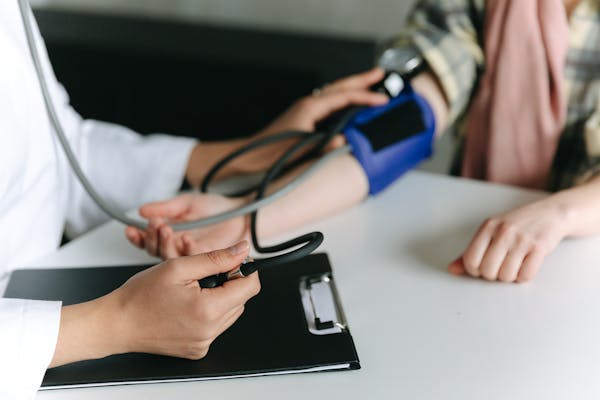
High blood pressure (hypertension) rarely causes noticeable symptoms. You can have dangerously elevated blood pressure for years without feeling unwell. This is why it is called the "silent killer" -- by the time symptoms appear, significant damage may have already occurred.
In Australia, approximately one in three adults has high blood pressure. Of those, many are unaware of their condition because they have not had it checked or because they experience no symptoms.
How High Blood Pressure Damages the Heart
When blood pressure is consistently elevated, the heart has to work harder to pump blood against the increased resistance in the arteries. Over time, this extra workload causes the heart muscle to thicken -- a condition called left ventricular hypertrophy (LVH).
A thickened heart muscle is stiffer and less efficient. It requires more oxygen and blood to function, which increases the risk of heart failure. High blood pressure also accelerates the build-up of plaque in the coronary arteries (atherosclerosis), increasing the risk of heart attack and stroke.
The damage occurs gradually over years, which is why regular blood pressure monitoring and early intervention are so important.
When to See a Cardiologist for High Blood Pressure
Your GP manages most cases of high blood pressure. However, a referral to a cardiologist is recommended if your blood pressure remains elevated despite taking two or more medications (resistant hypertension), if your GP suspects that your heart has been affected, if you have additional risk factors such as diabetes, high cholesterol, or a family history of heart disease, or if you are younger than 40 with elevated blood pressure (to investigate secondary causes).
Worried about these symptoms?
All consultations and cardiac tests at Complete Heart Centre are 100% bulk billed through Medicare. All cardiology referrals accepted. No gap fees, no out-of-pocket costs.
How We Detect Heart Damage from High Blood Pressure
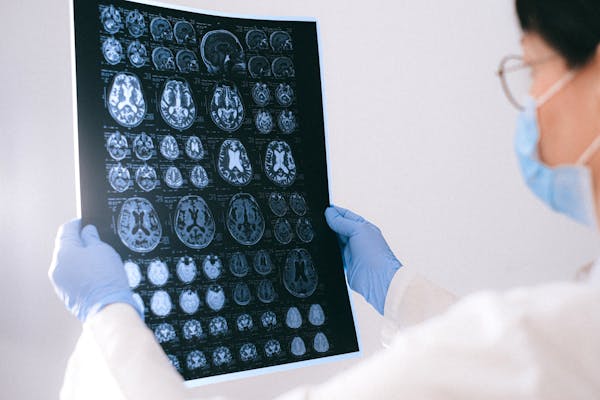
An echocardiogram is the primary test used to assess whether high blood pressure has affected the heart. It can show whether the heart muscle has thickened (LVH), whether the heart is pumping normally, whether the heart muscle has become stiff (diastolic dysfunction), and whether there are any associated valve problems.
Dr Grewal may also recommend a CT coronary angiogram including calcium score to assess your coronary arteries and overall cardiovascular risk profile.
At Complete Heart Centre, all consultations and diagnostic tests are fully bulk billed through Medicare.
Protecting Your Heart from High Blood Pressure
Managing blood pressure through a combination of medication (when prescribed), a heart-healthy diet low in salt, regular physical activity, maintaining a healthy weight, limiting alcohol intake, and not smoking can significantly reduce the risk of heart damage.
If you have been diagnosed with high blood pressure, regular monitoring and early cardiac assessment can detect damage before it becomes irreversible. Ask your GP for a referral to a cardiologist if you have concerns about how your blood pressure may be affecting your heart.
Related Services -- All Bulk Billed Through Medicare
Learn more about the diagnostic tests and consultations mentioned in this article. Every service is $0 out-of-pocket with a Medicare card and GP referral.
Take Action Today — Your Heart Check Is Free
With a Medicare card and GP referral, your specialist consultation and all cardiac tests at Complete Heart Centre are completely free. Three clinics -- Sydenham, Bundoora and Williams Landing.